

Many professionals who spend eight hours a day on their feet—nurses, teachers, and retail managers—attribute the dull ache in their calves to “just getting older” or a long shift. However, that sensation of heaviness, combined with visible swelling around the ankles, is often a sign of Chronic Venous Insufficiency (CVI).
CVI occurs when the valves in the leg veins fail to push blood back up toward the heart, causing fluid to pool in the lower extremities. If left unaddressed, this doesn’t just result in cosmetic concerns like spider veins; it can lead to skin discoloration, venous ulcers, and a significant decrease in daily mobility.
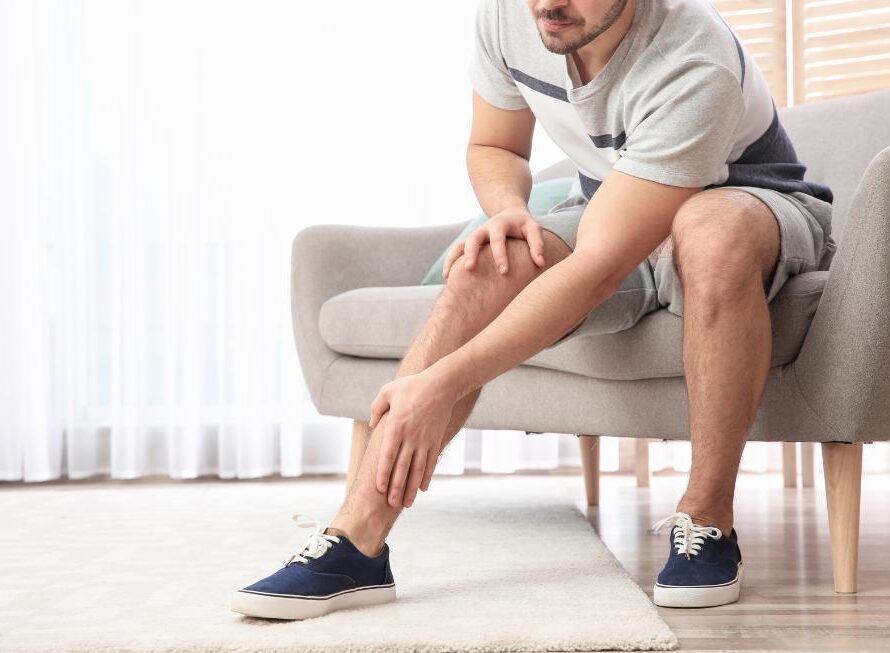
Recognizing the Red Flags of Vein Dysfunction
The transition from “tired legs” to a clinical vein condition is often gradual. Because the symptoms develop slowly, many people adapt to the discomfort without realizing there is a physiological cause.
The Early Warning Signs
Early-stage CVI typically manifests as a feeling of fullness or “tightness” in the lower legs. You may notice visible marks on your skin from tight socks by the middle of the day, or find that raising your legs for a short period brings noticeable relief.
Progressive Symptoms
As the condition progresses, the symptoms often become more noticeable and physically apparent:
- Edema: Ongoing swelling in the ankles and lower legs that remains even after a full night of rest.
- Skin Changes: The skin around the ankles may become thickened, darkened, or take on a reddish-brown hue (hemosiderin staining).
- Varicose Veins: Bulging, twisted veins that may feel ropey to the touch.
- Skin Ulcers: In advanced cases, small sores may develop that are slow to heal due to poor circulation.
Practical Strategies for Managing Leg Pressure
While medical intervention is necessary for structural vein failure, there are immediate steps you can take to reduce the pressure on your venous system and prevent further deterioration.
Compression Therapy
Medical-grade compression stockings are the first line of defense. Unlike standard tights, these apply graduated pressure—tightest at the ankle and loosening as they move up the leg. For those in high-activity roles, wearing these daily can prevent the “heavy leg” feeling and reduce the risk of blood clots.
Activity Modification
Static posture is the enemy of healthy veins. If your job requires standing in one place, implement “calf pumps”—rising up on your toes and back down twenty times every hour. This engages the calf muscle, which acts as a secondary heart to pump blood upward.
Elevation Protocols
Gravity is a constant challenge for those with CVI. Aim to elevate your legs above the level of your heart for 15 to 30 minutes several times a day. This allows pooled blood and fluid to drain more efficiently, reducing the inflammatory pressure on the vein walls.
When to Transition from Home Care to Professional Treatment
Conservative management can alleviate symptoms, but it cannot “fix” a broken valve. Once a vein valve has failed, it will not spontaneously repair itself. This is where specialized medical intervention becomes necessary to prevent the progression toward ulcers or deep vein thrombosis (DVT).
Modern vein treatments have moved away from invasive surgeries and long hospital stays. Most contemporary procedures are minimally invasive, performed in an office setting, and allow patients to return to work the same day.
Depending on how advanced the condition is, a specialist may suggest treatments such as endovenous laser ablation (EVLA) or radiofrequency ablation to improve blood flow and reduce symptoms. These procedures use heat to seal off the damaged vein, forcing the blood to reroute through healthier, functioning veins. For those dealing with smaller surface veins, sclerotherapy remains a highly effective option.
If you are experiencing persistent swelling or skin changes, consulting vein specialists Utah is the most direct path to a definitive diagnosis. A diagnostic ultrasound can map the blood flow in your legs, identifying exactly where the reflux is occurring and allowing for a targeted treatment plan.
Long-Term Maintenance for Leg Health
Post-treatment success depends heavily on lifestyle maintenance. To ensure that new veins do not develop and that existing ones remain healthy, focus on three core areas:
- Weight Management: Excess weight increases the hydrostatic pressure on the leg veins, putting more strain on the valves.
- Hydration and Nutrition: Maintaining a diet rich in flavonoids (found in citrus and berries) can help strengthen vein walls.
- Consistent Movement: Adding activities like walking or swimming to your weekly routine helps strengthen the calf muscles, allowing the natural “muscle pump” to better support healthy circulation.
By shifting the perspective from “cosmetic annoyance” to “circulatory health,” you can stop the progression of vein disease before it impacts your quality of life or your ability to perform your professional duties.